Explore Punjab’s history, ancestry and sovereignty through the Indus world, Indic traditions and Sikh Empire, with references and research context.
PUNJAB / LAND, PEOPLE & MEMORY
A history to know. An inheritance to carry.
Punjab’s story reaches far beyond a single dynasty. Its ancient settlements, languages, religious traditions and political histories invite an enquiry that stretches from the Indus world to the Sikh Empire and the present.
To take pride in Punjabi ancestry is to value that depth: the capacity of people to create, govern, defend their dignity and preserve their memory. The archive approaches sovereignty through the historical record of institutions, self-rule and public life, and through people’s agency in telling their own stories.
c. 2600–1900 BCE
The Indus world
Ancient settlement studyCONTEMPORARY AI ILLUSTRATION
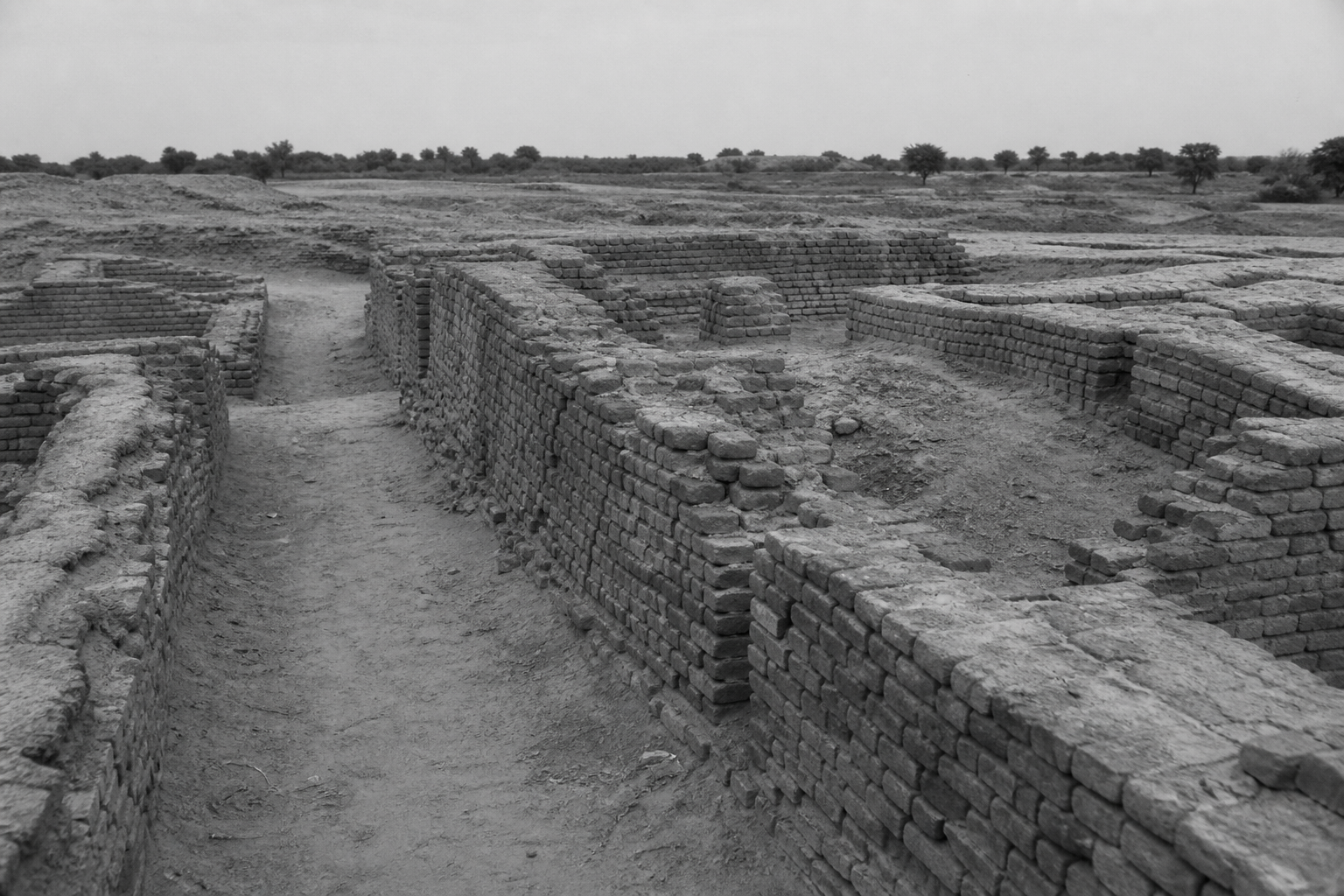
The Mature Harappan civilisation flourished across parts of present-day Pakistan and northwestern India, including the wider region connected with Punjab. Its archaeology opens a window onto urban life before the conventional dating of the Vedic texts.
The Vedas are conventionally placed from around 1500 BCE onward. Later centuries brought changing languages, philosophies and religious communities. Connections across these periods are subjects for historical and linguistic study.
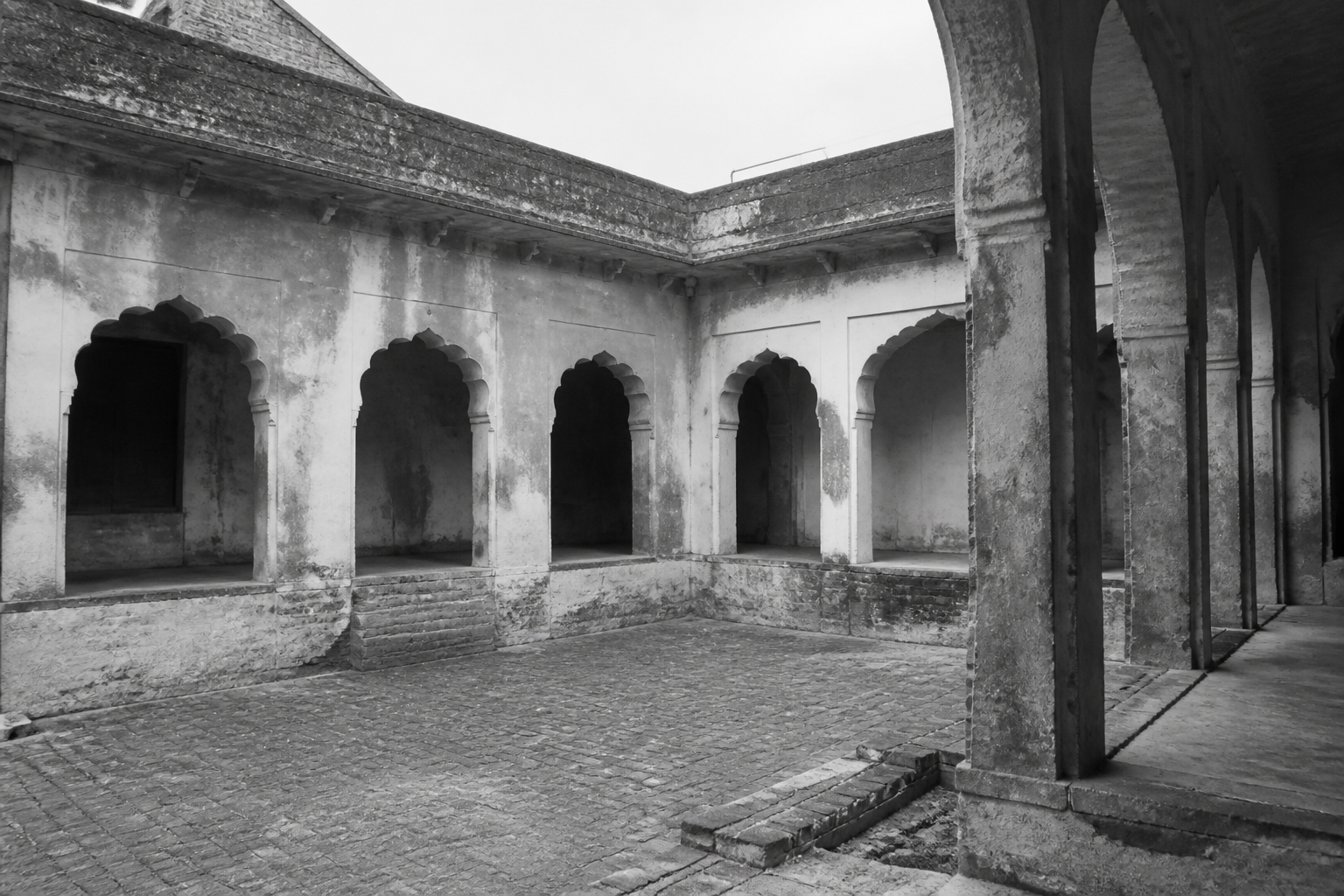
Under Maharaja Ranjit Singh, Punjab became the centre of a powerful Sikh kingdom. Its political institutions, military organisation, patronage and material culture form a substantial record of sovereignty and statecraft.
AI can help examine patterns and test hypotheses about Punjab’s ancient past. The Indus script has no generally accepted decipherment, and continuity between ancient populations, languages and present-day identities cannot be established by visual resemblance or an AI-generated reading alone. We distinguish the archaeological record, historical interpretation and new hypotheses.